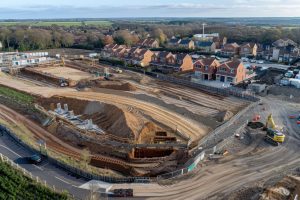
There’s a specific kind of disengagement that happens when a training video clearly wasn’t filmed anywhere near the sites the audience actually works on. Generic stock footage of a hard hat and a vague background reads as exactly what it is, filler. Content captured on your own sites, with your own equipment and your own hazards, does something stock footage can’t: it makes the training instantly recognisable and instantly credible.
Planning before you show up with a camera
The biggest mistake in on-site content capture is treating it as an afterthought, turning up on a random day and filming whatever’s happening. The sites that get the most usable material out of a capture day plan it like any other site activity: agreeing in advance which areas, processes, and hazards need to be covered, checking what’s actually happening on site that day, and confirming access and permissions before anyone arrives with equipment.
What’s worth capturing
Photography is the fastest win, high-resolution stills of PPE requirements, signage, hazard points, and correct working methods, usable across inductions, toolbox talks, and printed materials alike.
Video earns its place when a process needs to be seen in motion, correct use of equipment, a walked-through emergency procedure, or a supervisor talking through a specific risk in the exact location it applies.
360° photography is worth the extra setup time for site orientation and inductions specifically, letting someone explore a site virtually before they ever set foot on it does more for pre-arrival familiarisation than any number of static photos.
Getting usable material, not just footage
A capture day produces raw material. What makes it usable is the edit: cutting footage down to the moments that actually matter, adding clear on-screen labelling for hazards or steps, and organising the output so training teams can drop specific clips or images straight into existing modules without re-shooting anything. Unedited raw footage sitting in a folder rarely gets used, a properly organised, labelled library does.
Keeping it current
Sites change. A capture that’s accurate today may show a layout, hazard, or process that’s different in six months. Building a habit of periodic refresh captures, even a half-day every few months, keeps training material honest, rather than slowly drifting out of date the way most generic content does.
Our On-Site Content Capture service handles the planning, filming, and editing end to end, so your training content actually looks like your sites.